
Now Reading: Jeremy Clarkson: A Broadcaster Who Redefined Motoring Entertainment
-
01
Jeremy Clarkson: A Broadcaster Who Redefined Motoring Entertainment

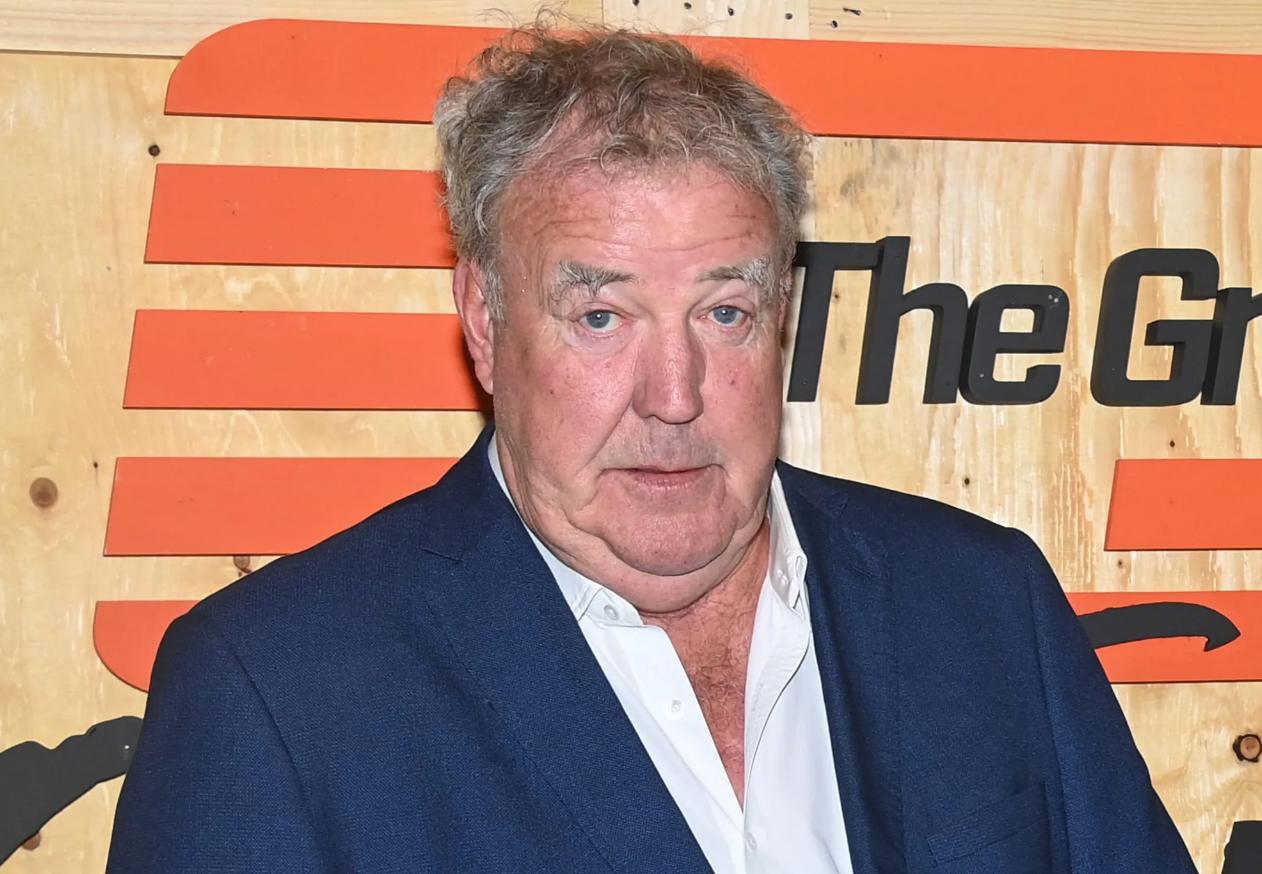
Jeremy Clarkson is one of the most recognizable television personalities in the United Kingdom and one of the most influential figures in automotive journalism worldwide. Over a career spanning more than four decades, he has transformed what was once considered a niche subject into mainstream entertainment enjoyed by millions of viewers across the globe. Although cars have always remained at the center of his work, Clarkson’s success has never been solely about automobiles. Instead, it has been built upon storytelling, humor, strong opinions, and an ability to turn everyday experiences into compelling television.
Born in Doncaster, South Yorkshire, in 1960, Clarkson grew up in a family that encouraged independence and ambition. Before entering journalism, he experienced a variety of jobs that gave him practical knowledge of people and communication. His interest in cars developed early, not merely because of their engineering but because they represented freedom, adventure, and individuality.
Clarkson began his professional career as a local journalist, writing for regional newspapers before moving into automotive reporting. During these early years, he developed a writing style that immediately stood out from traditional motoring journalism. Instead of focusing exclusively on technical specifications, horsepower figures, and engineering details, Clarkson approached cars from the perspective of everyday drivers. His reviews emphasized emotion, personality, and the overall experience of driving.
This unique style attracted increasing attention, eventually leading to opportunities in television. His first appearances on BBC’s Top Gear introduced audiences to a presenter who was unlike anyone else in the automotive world. Rather than delivering formal reviews, Clarkson spoke conversationally, often exaggerating for comedic effect while making complex automotive concepts accessible to general audiences.
The true transformation of Top Gear came in the early 2000s when the program was completely redesigned. Together with Richard Hammond and James May, Clarkson helped create what would become one of the most successful factual entertainment shows in television history. The chemistry between the three presenters became one of the defining elements of the series.
Each host represented a different personality. Clarkson was outspoken, competitive, and often provocative. Hammond brought enthusiasm and energy, while May provided technical explanations and calm analysis. The contrast between their personalities created a dynamic that appealed to viewers far beyond traditional car enthusiasts.
Under Clarkson’s leadership, Top Gear evolved into much more than a motoring program. Episodes featured ambitious international road trips, elaborate engineering challenges, humorous competitions, celebrity interviews, and spectacular cinematography. Cars became vehicles for storytelling rather than simply objects of review.
One reason for Clarkson’s extraordinary popularity lies in his communication style. He possesses an unusual ability to explain complicated subjects through humor and memorable comparisons. Instead of discussing engine specifications in technical language, he often described how a car made him feel, using vivid metaphors and exaggerated scenarios that audiences found entertaining and relatable.
His writing career developed alongside his television work. Clarkson became a prolific newspaper columnist and author, publishing books covering motoring, travel, politics, rural life, and everyday observations. Even readers who disagreed with his opinions often acknowledged the quality of his writing, which combines wit, storytelling, and self-deprecating humor.
However, Clarkson’s career has never been free from controversy. His outspoken personality has frequently generated criticism for comments considered offensive or insensitive. Throughout the years, debates surrounding political correctness, freedom of speech, and media responsibility have often involved Clarkson. Supporters argue that his provocative style is part of his comedic persona, while critics believe some remarks have crossed acceptable boundaries.
The most significant turning point in his career occurred in 2015 when the BBC ended his contract following an incident involving a producer. The decision marked the end of an era for Top Gear, but it did not end Clarkson’s television career. Instead, it opened a new chapter.
Soon afterward, Clarkson reunited with Richard Hammond and James May to create The Grand Tour. Produced for Amazon Prime Video, the series retained much of the humor, travel, and ambitious filmmaking that had made Top Gear successful while introducing new creative freedom through streaming television.
The Grand Tour demonstrated that Clarkson’s appeal extended beyond any particular broadcaster. Millions of viewers followed the trio to their new platform, confirming that audiences were primarily invested in the presenters themselves rather than the television format.
In recent years Clarkson has surprised many viewers by achieving enormous success with an entirely different type of program: Clarkson’s Farm. The documentary series follows his experiences managing a working farm in the English countryside. Initially intended as a lighthearted project, the show evolved into an insightful exploration of modern agriculture, environmental regulations, rural economics, and food production.
The popularity of Clarkson’s Farm revealed another dimension of his personality. While humor remains central to the series, audiences also see genuine curiosity, determination, and respect for the challenges faced by farmers. The program has introduced urban viewers to the realities of agricultural life and sparked widespread discussion about food security, sustainability, and rural communities.
This unexpected success illustrates Clarkson’s greatest strength as a broadcaster: his ability to make specialized subjects interesting for general audiences. Whether discussing supercars or sheep farming, he focuses on the human experience rather than technical complexity.
Professionally, Clarkson is known for meticulous preparation despite his seemingly spontaneous style. Behind the humor lies extensive research, careful scripting, and a deep understanding of television production. His ability to balance entertainment with informative content has influenced countless presenters around the world.
His impact on automotive journalism cannot be overstated. Before Clarkson, car reviews largely emphasized objective measurements and engineering analysis. After Clarkson, storytelling, personality, and emotional connection became equally important elements of successful automotive media.
Despite his controversial reputation, colleagues often describe him as dedicated, highly intelligent, and deeply committed to producing quality television. Many producers credit his perfectionism and creative vision as key factors behind the extraordinary success of his programs.
Clarkson’s influence extends internationally. Top Gear and The Grand Tour have been broadcast in dozens of countries, inspiring local adaptations and shaping automotive media globally. Even viewers with little interest in cars frequently enjoy his programs because they focus on adventure, friendship, travel, and humor.
Throughout his career, Clarkson has remained remarkably adaptable. As traditional television has given way to streaming platforms, digital media, and changing audience expectations, he has continued to evolve without losing the distinctive style that first made him famous.
Ultimately, Jeremy Clarkson’s legacy extends far beyond cars. He transformed automotive journalism into global entertainment, redefined factual television through humor and storytelling, and demonstrated that passion combined with personality can make almost any subject fascinating. Whether admired for his wit or criticized for his opinions, Clarkson remains one of the most influential broadcasters of his generation, whose impact on modern television continues to shape the industry today.