
Now Reading: King Charles III: A Monarch Shaped by Duty, Tradition, and Modern Challenges
-
01
King Charles III: A Monarch Shaped by Duty, Tradition, and Modern Challenges

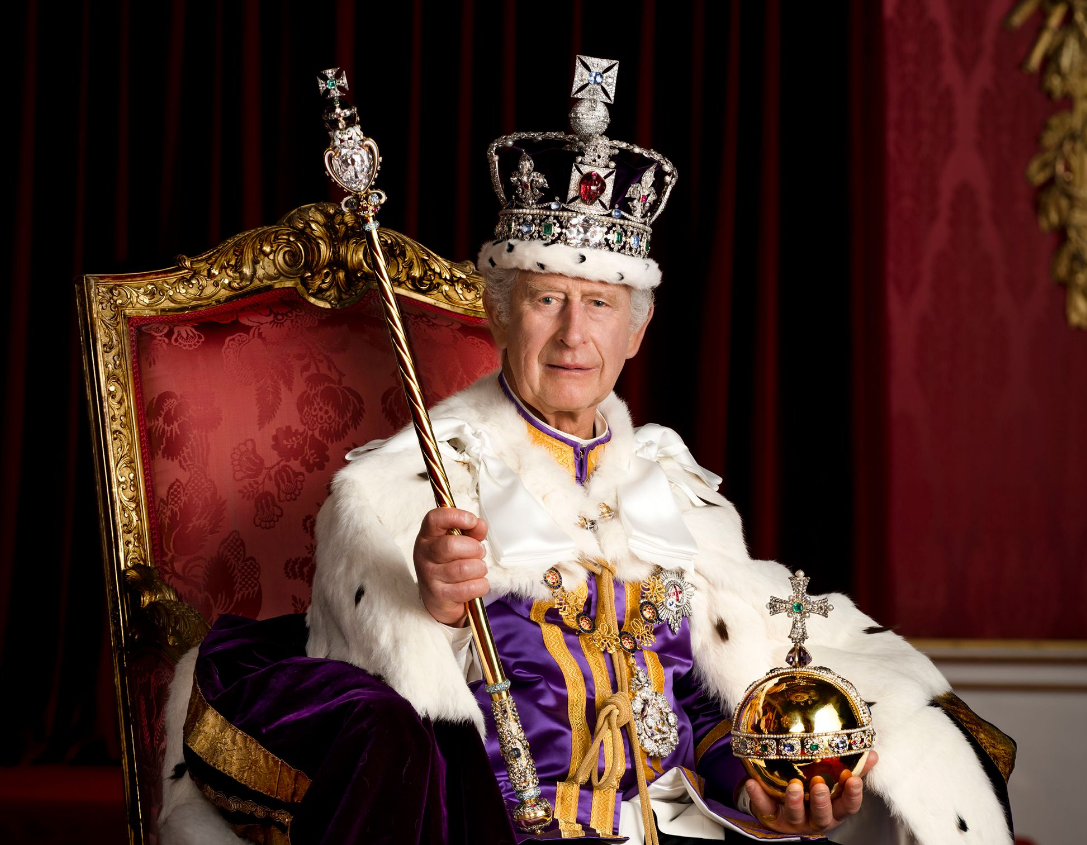
King Charles III is one of the most recognizable members of the British royal family and one of the longest-serving heirs apparent in modern history. His journey to the throne spans more than seven decades, during which he evolved from a young prince preparing for future responsibilities into the sovereign of the United Kingdom and the Commonwealth realms. Throughout his life, Charles has balanced the expectations of royal tradition with a personal interest in environmental issues, architecture, education, and charitable work, becoming one of the most active public figures within the monarchy.
Born Charles Philip Arthur George on November 14, 1948, at Buckingham Palace in London, he was the first child of Princess Elizabeth, who would later become Queen Elizabeth II, and Prince Philip, Duke of Edinburgh. His birth came at a time when Britain was rebuilding after the Second World War, and few could have imagined that Charles would spend more than seventy years preparing to become king.
When Queen Elizabeth II ascended the throne in 1952 following the death of King George VI, Charles became the heir apparent at just three years old. From that moment, his life was shaped by the unique responsibilities associated with one day becoming monarch. Unlike most children, his future profession had effectively been determined from birth, requiring careful preparation in constitutional history, diplomacy, public service, and royal protocol.
His education reflected both tradition and change. Charles became the first heir to the British throne to attend school rather than being educated entirely by private tutors. He studied at Hill House School in London before attending Cheam School and later Gordonstoun in Scotland, where his father had also been educated. Gordonstoun was known for its emphasis on discipline, outdoor activities, leadership, and personal resilience.
Although Charles later admitted that he found certain aspects of Gordonstoun challenging, the experience helped develop qualities that would prove valuable throughout his public life. The demanding environment encouraged independence, perseverance, and adaptability—traits essential for someone destined to carry enormous constitutional responsibilities.
Following school, Charles attended Trinity College at the University of Cambridge, where he studied archaeology, anthropology, and later history. His graduation in 1970 marked a historic moment, as he became the first British heir apparent to earn a university degree. His academic interests reflected a broader curiosity about culture, history, and human civilization that has remained evident throughout his life.
Like many members of the royal family, Charles also served in the armed forces. He trained with both the Royal Air Force and the Royal Navy, qualifying as a pilot and helicopter commander. His military service strengthened his understanding of leadership, teamwork, and national service while reinforcing the close relationship between the monarchy and Britain’s armed forces.
For decades, Charles carried out thousands of official engagements on behalf of Queen Elizabeth II. These duties included state visits, diplomatic meetings, military ceremonies, charitable events, and international conferences. By the time he became king, he had accumulated more public service experience than any previous British monarch before ascending the throne.
One of the defining characteristics of Charles’s public life has been his commitment to charitable work. In 1976, he established The Prince’s Trust, an organization dedicated to helping disadvantaged young people develop education, employment skills, and business opportunities. Over the years, the charity has supported hundreds of thousands of individuals through mentoring, financial assistance, and vocational training.
The Prince’s Trust became one of the most successful charitable organizations in the United Kingdom, reflecting Charles’s belief that social investment and education can transform lives. Rather than limiting his role to ceremonial appearances, he remained actively involved in the charity’s development for decades.
Environmental conservation has been another central theme throughout his life. Long before climate change became a mainstream political issue, Charles publicly advocated for sustainable agriculture, biodiversity protection, organic farming, and responsible environmental management. During the 1970s and 1980s, many of these positions were viewed as unconventional. However, as scientific understanding of climate change expanded, many of his early concerns gained wider recognition.
Charles frequently argued that economic development should not come at the expense of environmental sustainability. He promoted renewable energy, responsible land management, and greater awareness of humanity’s relationship with nature. His speeches often emphasized that environmental protection is not simply a scientific issue but also a moral responsibility owed to future generations.
Architecture represents another longstanding personal interest. Charles has consistently expressed strong opinions regarding urban planning, historic preservation, and traditional architectural design. He has argued that buildings should respect local history, community identity, and human well-being rather than prioritizing purely commercial considerations.
His views on architecture occasionally generated controversy, as some architects considered his criticism of modern design overly traditional. Nevertheless, Charles remained committed to encouraging public discussion about how cities should develop while preserving cultural heritage.
Throughout his years as Prince of Wales, Charles represented the monarchy in hundreds of international visits. These diplomatic missions strengthened relationships between the United Kingdom and countries across Europe, Asia, Africa, Oceania, and the Americas. His extensive experience in international affairs provided valuable preparation for his future role as head of state.
Charles’s personal life also attracted intense public attention. His marriage to Lady Diana Spencer in 1981 became one of the most watched royal events in history. Together they had two sons, Prince William and Prince Harry. Although the marriage eventually ended in divorce, both parents remained committed to supporting their children despite enormous media scrutiny.
The tragic death of Diana, Princess of Wales, in 1997 marked one of the most difficult moments in the modern history of the royal family. Charles faced significant public criticism during this period, but over time gradually rebuilt public confidence through continued dedication to official duties and charitable work.
In 2005, Charles married Camilla Parker Bowles, who later became Queen Camilla following his accession to the throne. Their relationship evolved over many years, and together they have represented the monarchy during numerous official engagements both within Britain and internationally.
Following the death of Queen Elizabeth II in September 2022, Charles immediately became King Charles III. His accession marked the beginning of a new chapter in British constitutional history after the seventy-year reign of his mother, one of the longest-serving monarchs in world history.
As king, Charles inherited responsibilities extending far beyond ceremonial leadership. The British monarch serves as the constitutional head of state, performing duties that include appointing prime ministers, opening Parliament, receiving ambassadors, representing national unity, and supporting numerous charitable and civic organizations.
One of Charles’s greatest challenges has been maintaining continuity while guiding the monarchy through changing social expectations. Modern royal institutions face increasing public scrutiny regarding transparency, financial responsibility, diversity, and relevance in contemporary society. Charles has consistently emphasized modernization while preserving the constitutional principles that define the monarchy.
Observers frequently describe his leadership style as thoughtful, well-prepared, and deeply informed. Decades spent studying public policy, environmental issues, education, and international relations have shaped a monarch who approaches official responsibilities with considerable knowledge and experience.
King Charles III also remains committed to promoting interfaith dialogue and cultural understanding. Throughout his public life he has encouraged cooperation among different religious communities and emphasized the importance of mutual respect within increasingly diverse societies.
Today, Charles continues to represent Britain both domestically and internationally during a period of significant political, economic, and environmental change. His reign is expected to focus on public service, sustainability, community development, and preserving the constitutional role of the monarchy while adapting to the needs of the twenty-first century.
Ultimately, King Charles III’s life reflects an extraordinary combination of privilege, responsibility, preparation, and public service. Having spent more than seventy years preparing for kingship, he brings unparalleled experience to the throne. Whether remembered for his environmental advocacy, charitable leadership, diplomatic work, or constitutional role, Charles has already left a lasting mark on modern British history. His reign represents both continuity with centuries of royal tradition and an effort to guide the monarchy through the challenges and opportunities of the modern world.