

Now Reading: Kate Winslet: A Career Defined by Authenticity, Talent, and Artistic Excellence
-
01
Kate Winslet: A Career Defined by Authenticity, Talent, and Artistic Excellence

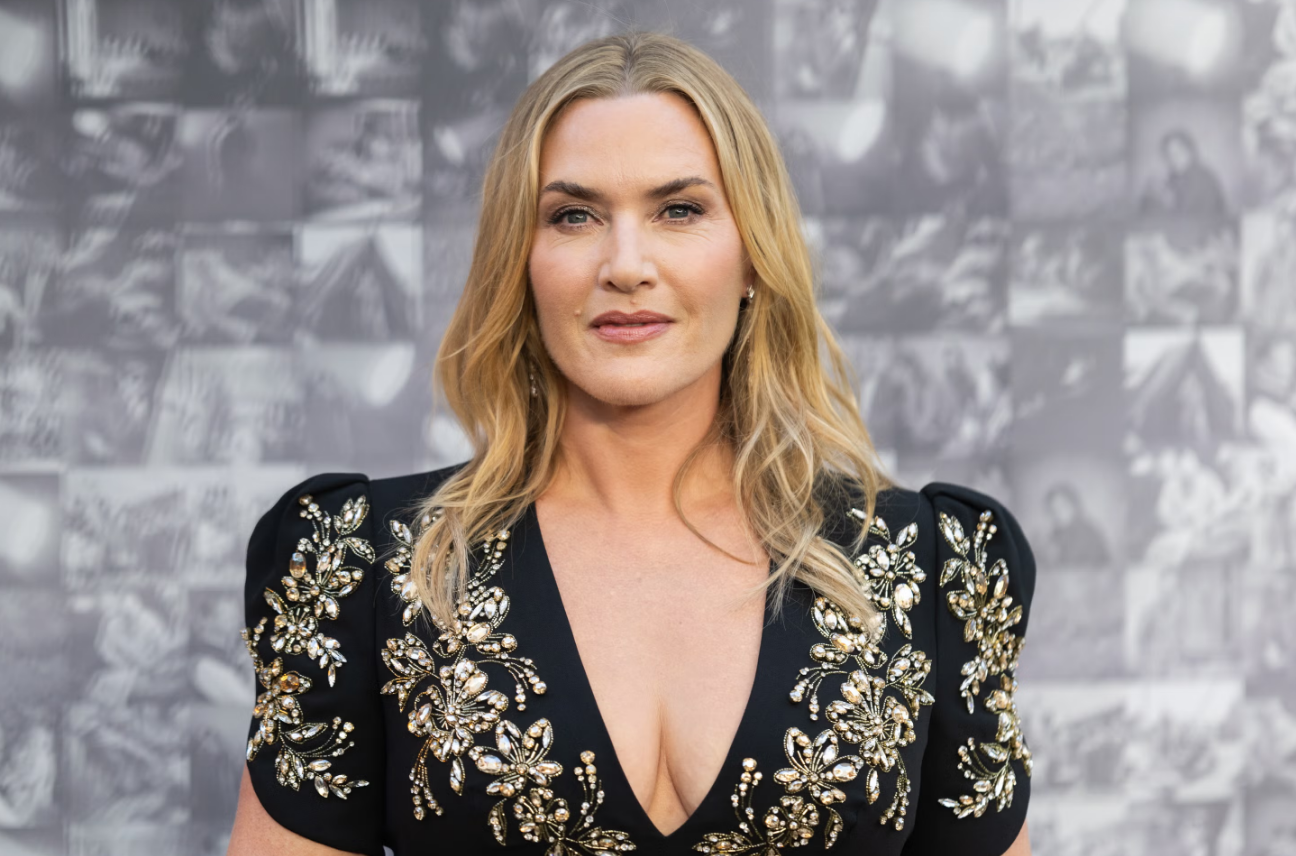
Kate Winslet is widely regarded as one of the finest actresses of her generation. Over the course of a career spanning more than three decades, she has built an extraordinary reputation through powerful performances, careful role selection, and an unwavering commitment to authenticity. Unlike many performers who rely primarily on blockbuster productions or celebrity status, Winslet has consistently chosen projects that challenge her creatively and allow her to explore the complexity of human emotions. Her work has earned critical acclaim, numerous international awards, and the admiration of audiences around the world.
Born in Reading, Berkshire, England, in 1975, Kate Elizabeth Winslet grew up in a family deeply connected to the performing arts. Her parents were stage actors, and creativity was a natural part of everyday life. Although the family experienced financial difficulties, they encouraged artistic expression and supported their children’s ambitions. From an early age, Winslet demonstrated an exceptional passion for acting, often participating in school productions and local theater performances.
Recognizing her talent, she enrolled at the Redroofs Theatre School, where she received formal training in acting, singing, and movement. These years provided her with a solid technical foundation while teaching discipline, professionalism, and respect for the craft. Even as a teenager, Winslet displayed remarkable maturity in her performances, suggesting that she possessed abilities far beyond her age.
Her first significant screen roles came during the early 1990s, but international attention arrived with Heavenly Creatures, directed by Peter Jackson. The psychological drama required tremendous emotional range, and Winslet’s performance immediately attracted the interest of critics. Although still very young, she demonstrated a remarkable ability to portray emotionally complicated characters with honesty and depth.
Only a few years later, she appeared in Sense and Sensibility, directed by Ang Lee. The adaptation of Jane Austen’s classic novel introduced her to a much wider audience and earned her an Academy Award nomination. Critics praised her ability to combine youthful energy with emotional sophistication, proving that she was equally comfortable performing in historical dramas.
However, it was Titanic that transformed Kate Winslet into a global superstar. Released in 1997, James Cameron’s epic romance became one of the most successful films in cinema history. Her portrayal of Rose DeWitt Bukater resonated with audiences across generations. Rather than presenting Rose merely as a romantic heroine, Winslet created a character defined by intelligence, courage, independence, and emotional growth.
The overwhelming success of Titanic could easily have confined her to similar romantic roles. Many actors struggle to escape the shadow of an iconic performance, but Winslet deliberately chose a different path. Instead of pursuing commercially predictable projects, she sought independent films and psychologically demanding characters that allowed her to continue growing as an artist.
This decision became one of the defining characteristics of her career. Throughout the following years, she appeared in films such as Iris, Little Children, Finding Neverland, The Reader, Revolutionary Road, and Eternal Sunshine of the Spotless Mind. Each project presented unique emotional challenges, demonstrating her remarkable versatility.
Perhaps one of her most celebrated performances came in Eternal Sunshine of the Spotless Mind. Playing Clementine Kruczynski, Winslet portrayed a character unlike any she had previously performed. Energetic, impulsive, emotionally vulnerable, and unpredictable, Clementine became one of modern cinema’s most memorable characters. Critics praised Winslet for abandoning conventional romantic stereotypes in favor of a deeply human portrayal.
Another milestone arrived with The Reader, for which she received the Academy Award for Best Actress. Her portrayal of Hanna Schmitz required extraordinary emotional complexity. The character’s moral ambiguity demanded subtlety rather than obvious judgment, and Winslet delivered one of the most nuanced performances of her career. The Oscar represented recognition not only for a single role but also for years of consistently exceptional work.
One of Winslet’s greatest strengths as an actress is her commitment to realism. She avoids artificial performances, preferring natural emotional expression over dramatic exaggeration. Directors frequently praise her willingness to fully immerse herself in each character, often spending months researching historical backgrounds, psychological conditions, or personal experiences relevant to the role.
Her versatility extends across numerous genres. Historical dramas, psychological thrillers, romantic films, science fiction, television miniseries, and independent productions all appear within her filmography. Regardless of genre, Winslet consistently prioritizes character development over spectacle, ensuring that every performance feels authentic and emotionally believable.
In addition to film, Winslet has achieved remarkable success in television. Her performances in productions such as Mildred Pierce and Mare of Easttown demonstrated that her talent translates seamlessly between cinema and long-form storytelling. Mare of Easttown in particular received widespread acclaim, with critics highlighting her ability to portray an ordinary woman facing extraordinary emotional pressures while maintaining complete authenticity.
Outside her acting career, Kate Winslet has become an influential advocate for body positivity and self-acceptance. Throughout her career, she has openly challenged unrealistic beauty standards within the entertainment industry. She has consistently refused excessive digital retouching of promotional photographs and encouraged greater acceptance of natural appearance. Her honesty has inspired many people to embrace confidence regardless of societal expectations.
Winslet has also dedicated significant effort to charitable work. She supports organizations focused on children’s welfare, education, medical research, and environmental protection. Although she rarely seeks publicity for these activities, her long-term commitment reflects a genuine desire to use her public profile for meaningful causes.
Professionally, Winslet is widely admired for her preparation and discipline. Directors frequently describe her as intensely focused, collaborative, and completely dedicated to every production. She is known for arriving thoroughly prepared while remaining open to creative discussion and improvisation during filming.
One particularly admirable aspect of her career is her refusal to define success solely through commercial achievements. While she has participated in major Hollywood productions, she has never abandoned smaller independent films that prioritize artistic storytelling. This balance has allowed her to maintain both critical respect and widespread popularity.
Her influence extends beyond acting itself. Younger performers frequently cite Winslet as an inspiration because of her integrity, work ethic, and commitment to meaningful storytelling. She has demonstrated that long-term artistic success depends not on constant publicity but on consistently delivering exceptional performances.
As the film industry continues to evolve through streaming platforms and changing audience expectations, Winslet remains one of its most respected figures. Her ability to adapt while maintaining artistic standards illustrates remarkable professional longevity.
Ultimately, Kate Winslet represents the highest ideals of modern acting. Through intelligence, emotional honesty, technical excellence, and unwavering dedication to her craft, she has created a body of work that continues to influence contemporary cinema. Rather than pursuing fame for its own sake, she has consistently prioritized meaningful storytelling and authentic human experiences. Today she stands not only as one of Britain’s greatest actresses but also as one of the most respected performers in international film, whose legacy will undoubtedly endure for generations to come.