

Articles2- Page

17Articles

Articles10 months ago

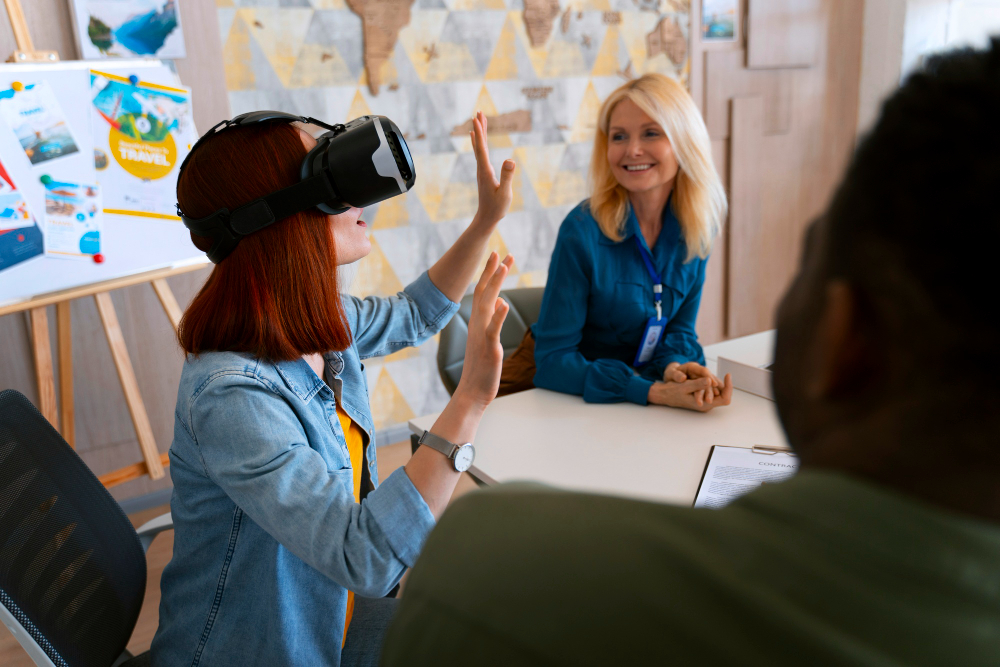
When we look at the history of professions, we often think of predictable roles driven by necessity—farmers, artisans, teachers, doctors, and engineers. Yet every technological leap tends to give birth to jobs that were unimaginable just a few decades prior. The printing press made way for professional typesetters, the industrial revolution created assembly line workers, the internet gave rise to social media managers, and now the age of AI, robotics, and digital innovation is introducing a fresh set of occupations that sound almost surreal. What is particularly fascinating about these new roles is that many don’t fit into traditional career categories. They are hybrids, combining skills from art, science, technology, and even psychology. The arrival of such unusual jobs raises questions not only about how we work, but also about how human creativity evolves in response to machines that can seemingly do everything. Among the emerging professions is the “AI ethicist.” While it may sound like a purely academic position, it has become a practical and necessary role in modern organizations. Corporations now require people who can anticipate the moral and social consequences of deploying artificial intelligence. How will a chatbot handle cultural nuances? Should an algorithm be allowed to influence hiring decisions? These and countless other dilemmas are no longer abstract thought experiments. AI ethicists navigate the gray areas, ensuring innovation does not come at the expense of fairness or human dignity. Their work is not about writing code, but about shaping guidelines and guardrails that will steer technology toward healthier applications. The very existence of such a job demonstrates how inventions create a ripple effect far beyond their initial purpose. Equally intriguing is the rise of “virtual world designers.” Building immersive digital landscapes is no longer the territory of video game developers alone. With the booming interest in metaverses, interactive education, and digital commerce, entire professions have sprung up to design virtual cities, galleries, and workplaces. These designers must think simultaneously like architects, psychologists, and storytellers, creating environments that people find both functional and emotionally engaging. Some clients now commission digital homes or company headquarters complete with subtle design choices that affect mood and productivity. As strange as it might seem, there are people today who spend more time inside a virtual office than a physical one, and someone has to design that office in a way that feels natural and welcoming. Another unusual role born from recent inventions is that of the “drone fleet coordinator.” What began as hobbyists flying small quadcopters in parks has transformed into a serious logistical field. Companies in agriculture, security, filmmaking, and even emergency medicine employ fleets of drones for surveying crops, monitoring events, capturing high-quality footage, or delivering supplies. Coordinating dozens, or even hundreds, of drones requires specialized planning: traffic management in the skies, energy optimization, and strict attention to safety regulations. Drone coordinators act as a blend of air traffic controllers and software managers, orchestrating a ballet of machines. Their importance will only grow as delivery services expand into autonomous aerial logistics on a large scale. Even more curious are professions linked to human-machine interaction in daily life. “Digital detox coaches” have begun carving out a space in the wellness sector, guiding individuals and families overwhelmed by the constant demands of smartphones, social media, and digital assistants. Ironically, this career exists precisely because of the inventions that intended to make life easier, yet gradually created new stresses. Similarly, “synthetic voice designers” now specialize in shaping how AI assistants sound. Instead of cold robotic tones, these professionals craft voices that are soothing, trustworthy, or motivating, depending on the target audience. The human ear reacts deeply to voice, and companies recognize that the right tone can transform user experience in profound ways. While some of these professions may sound eccentric at first glance, they reflect a broader truth: each invention not only solves problems, but also generates them. And within those new challenges lies the space for human ingenuity to reinvent itself. Today’s unusual careers may well be tomorrow’s norms, just as the first “webmaster” once seemed like an odd title, but soon became essential to nearly every organization. The lesson here is not simply to marvel at the quirks of novelty, but to understand that invention and occupation are eternally intertwined, shaping each other in ways that keep society in constant motion. Character Count: 3,043
Articles10 months ago

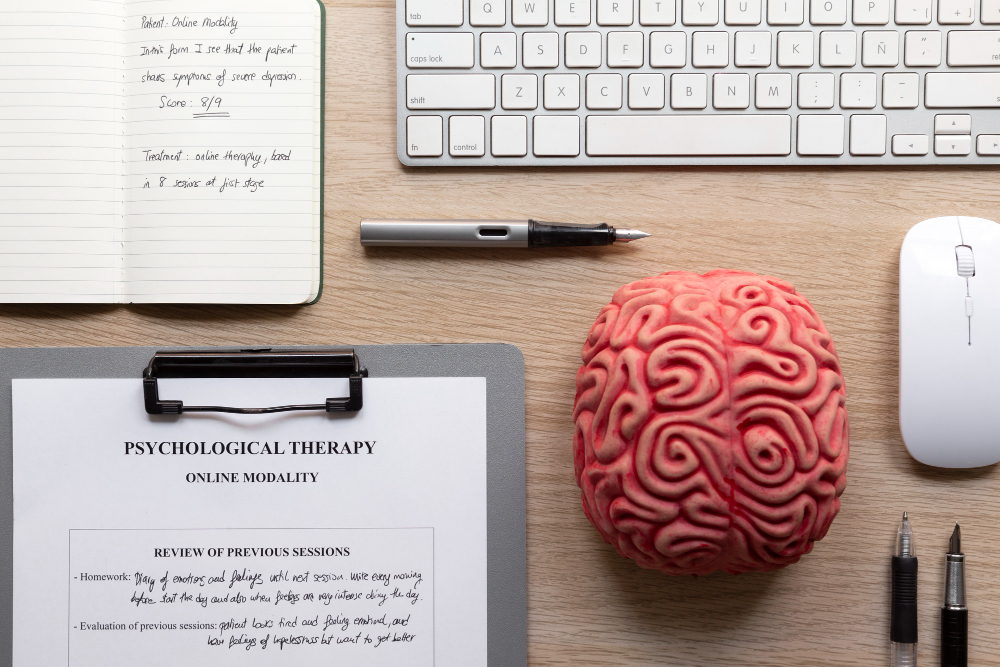
One of the most fascinating quirks of the human brain is just how much it craves repetition. From the time we are infants, we are drawn to hearing, seeing, and doing the same things again and again. A child might ask to hear the same story every night before bed, or insist on listening to the same song until the entire family knows it by heart. Adults, too, experience pleasure from repetition—revisiting a beloved movie, rereading a favorite book, or practicing a skill until it becomes second nature. This isn’t just nostalgia or habit at work. Neuroscience reveals that repetition plays a fundamental role in how we learn, remember, and even find comfort in a sometimes unpredictable world. At the most basic level, repetition strengthens the neural pathways that underlie memory. Each time we encounter a piece of information, the brain reinforces the connections among the neurons that process it. Initially, these connections are fragile, meaning the memory can fade quickly. But with repeated exposure or practice, the synapses involved become more stable, making it easier to recall the information later. This is the biological logic behind what psychologists call the “spacing effect”: spreading out repeated exposure to a concept over time dramatically improves long-term retention. In other words, the brain is not built to absorb knowledge all at once—it thrives on steady, repeated encounters. Repetition also has a powerful impact on how comfortable we feel with information. The more often we are exposed to something, the more familiar and safe it seems. Researchers call this the “mere-exposure effect,” a phenomenon where repeated contact with a person, song, or even an idea leads us to like it more. This explains why people often enjoy hearing a catchy tune for the tenth time more than they did the first, or why a piece of information feels more trustworthy simply because it has been heard repeatedly. In an evolutionary sense, familiarity often signaled safety—something encountered many times without danger became less threatening. The brain, therefore, developed a bias toward repetition as a marker of trust and reliability. This mechanism is not just about comfort or memory—it is also central to building complex skills. Think of learning a sport, an instrument, or even a new language. Repetition allows movements, patterns, and vocabulary to transition from conscious effort to automatic response. A pianist practicing scales is, in essence, training the brain’s motor circuits to get faster and more efficient. Over time, the repeated activity reduces the energy needed to perform it, freeing up cognitive resources for more advanced challenges. The same is true for language learners rehearsing new phrases: what begins as slow, deliberate recall eventually turns into fluent speech thanks to repeated practice. Of course, repetition is not universally beneficial. Too much can dull engagement, leading to boredom or rote learning without deeper understanding. The challenge for educators, coaches, and learners is to find the right balance. Effective learning often combines repetition with variation—approaching the same concept in slightly different contexts so the brain strengthens the connection while also building flexibility. When strategically applied, repetition is not about mindless drilling, but about creating a sturdy foundation on which creativity and critical thinking can thrive. In the end, the brain’s love of repetition is more than a quirk. It is both a survival mechanism and a tool for mastery. By returning to information, ideas, or actions again and again, we give our minds the chance to transform the unfamiliar into the familiar, the difficult into the easy, and the temporary into the enduring. Far from being redundant, repetition is what allows learning to take root and grow. Character count: ~2987

Articles10 months ago

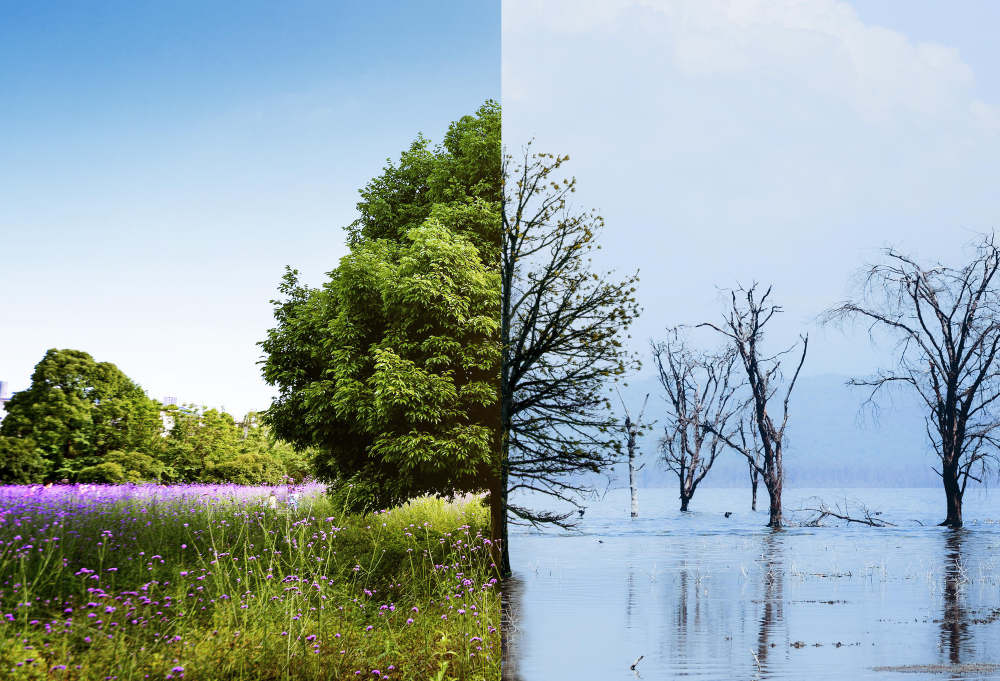
When people hear the phrase “climate change,” they often imagine distant polar ice caps melting, rising seas on remote island nations, or grand summits where world leaders debate carbon reduction targets. Yet the reality is that climate change quietly, and sometimes not so quietly, threads its way through our ordinary routines. The weather patterns that dictate how we dress in the morning, the food choices awaiting us in the grocery store, the cost of our electricity, and even the air we breathe are touched by this global shift. The complexity of climate change can make it feel abstract, but its manifestations are increasingly personal and immediate. Everyday life, whether in a busy metropolitan hub or a quiet rural landscape, is already being reshaped in ways that most of us cannot ignore. Consider the food on a dinner plate. Heatwaves, prolonged droughts, and fluctuating rainfall patterns are altering crop yields across continents. A farmer in the Midwest might confront dry fields and reduced harvests, while a vineyard in southern Europe faces early ripening grapes and shifting growing seasons. These changes affect not only availability but also prices. For consumers, that means tomatoes or coffee may cost significantly more than they once did, or a favorite fruit may be harder to find year-round. Beyond the wallet, there is also nutritional security to think about: reduced yields in staple crops can threaten balanced diets, particularly where communities rely heavily on local agriculture. Energy use is clearly another area where climate touches daily life. In summers that grow hotter each year, air conditioners run longer, contributing to household expenses and straining electrical grids. In colder months, unusual storms or shifts in seasonal norms alter heating demand. On some days, utilities ask customers to conserve power to avoid blackouts. Eventually, many households will feel pressure to adapt, perhaps by installing solar panels or energy-efficient systems, or by responding to shifts in public policy that encourage such changes. Health and well-being are also deeply intertwined with climate patterns. Rising temperatures worsen the spread of certain diseases as mosquitoes and ticks expand into new regions. Poor air quality on sweltering days affects those with asthma or cardiovascular conditions, meaning that people must be more mindful about outdoor activity. For children, the elderly, and those with limited medical access, heat waves represent not an inconvenience but a significant risk. Even mental health can be strained: uncertainty, harsher storms, and displacement due to local flooding or wildfires contribute to anxiety and stress. Transportation and infrastructure experience their own share of disruption. Commutes are delayed by more frequent floods, icy roads, or extreme rainfall that can overwhelm drainage systems. Airports face cancellations during storms that are stronger and more prolonged than in the past. Road repairs escalate as hotter summers expand cracks in asphalt, demanding more attention from municipalities already working within limited budgets. All of this feeds back into daily routines, reshaping how and when people move about their cities. What emerges from these examples is a picture far less abstract than melting ice or future projections. Climate change is present in the small decisions about what to buy, how much to spend on energy, which route to take to work, and how to safeguard personal health. Though the challenges are vast, so too are opportunities for adaptation—ranging from sustainable dietary choices to investment in resilient infrastructure. Understanding how climate influences daily experience is not only about recognizing hardship but also about cultivating awareness of where individual action and collective policy can protect the basic rhythms of everyday life.

Articles10 months ago

When we speak of modern technology, we often focus on contemporary inventions—the smartphone in our pocket, the algorithms that power social media, or the advances in renewable energy that aim to secure a sustainable future. Yet none of these developments exist in isolation. They are the product of centuries of historical events that, in decisive moments, altered the trajectory of human progress. Understanding these pivotal points not only helps us grasp how we arrived at the present moment, but also offers perspective on how technological innovation evolves in response to social needs, economic pressures, and political realities. One of the earliest and most transformative events shaping technology was the Industrial Revolution. Beginning in the late 18th century, it fundamentally altered the relationship between labor, production, and invention. The introduction of mechanized textile production, powered first by waterwheels and later by steam engines, changed the economy of entire nations, paving the way for rapid urbanization and global trade. Steam technology did more than move machines; it also revolutionized transportation. Railways began connecting distant regions in ways that had previously been unimaginable, compressing geographic barriers and allowing for the more fluid exchange of ideas, goods, and resources. Without this moment, modern mass production, global supply chains, and large-scale infrastructure development would look very different. War, too, has been a major force behind the development of technology. The two World Wars demanded unprecedented innovation under immense pressure. World War I accelerated advances in aviation, communications, and chemical engineering. World War II took this even further, fueling massive research investment that gave rise to radar, jet propulsion, advanced medical techniques, and of course, the atomic bomb. Disturbing though it was, the latter event also indirectly propelled civilian nuclear research and energy exploration. Just as significantly, the war catalyzed the creation of early computers. Alan Turing’s codebreaking machines and the development of electronic computing systems like the Colossus were initially driven by military necessity but laid the groundwork for the digital transformations that followed in the late 20th century. The Space Race of the mid-20th century provides another milestone. The geopolitical rivalry between the United States and the Soviet Union became a competition for supremacy in reaching beyond Earth’s boundaries. The launch of Sputnik in 1957 stunned the world, while NASA’s Apollo program culminated with the moon landing in 1969. Beyond the drama of rockets lifting humans past the atmosphere, the scientific and technological breakthroughs of this era reshaped everyday life. Satellite technology, advanced computing systems, new materials, and telecommunications research all stemmed from investments made during this period. The devices that enable GPS navigation or global weather forecasting trace their origins to these ambitions. Equally important were the less glamorous but transformative moments, such as the development of the internet and personal computing. The creation of ARPANET, spearheaded by U.S. defense research in the late 1960s, began as a way to ensure communication networks could withstand disruptions. Over time, these systems expanded, adapted, and transitioned into civilian use, ultimately becoming the foundation of the internet that now defines the fabric of life in the 21st century. By the 1980s and 1990s, the rise of personal computers and the World Wide Web ensured that technological innovation was no longer confined to governments and corporations but moved into homes, classrooms, and small businesses. This democratization of access changed not just how we work but how we think, interact, and create. What unites all of these events—industrial revolutions, global conflicts, and space exploration—is that they reveal a pattern. Great leaps in technology rarely emerge by accident; they come about when societies are faced with extraordinary challenges or opportunities. Whether driven by survival, competition, or curiosity, humanity has repeatedly created tools that not only solve immediate problems but also open unimagined futures. To understand modern technology, then, is to see it not simply as a collection of devices, but as the living testimony of history’s grand pressures and aspirations working through human ingenuity. Character count: ~3022

Articles10 months ago

Imagining the cities of the future invites us to consider more than just gleaming skyscrapers and cutting-edge technology. It challenges us to rethink how human communities can function in healthier, more sustainable, and more socially connected ways. While technology will continue to serve as the backbone of progress, the true transformation lies in how these tools are integrated into everyday life. For many of us, the cities we know today often symbolize both opportunity and frustration: places where innovation thrives but where overcrowding, pollution, and inequality also persist. The future city, if carefully designed, could be less about solving problems in isolation and more about reshaping the entire environment so that those problems are less likely to arise in the first place. In other words, the cities of tomorrow will not simply be "smarter" but also more human-centered. At the heart of this change is the evolving relationship between people and the built environment. Imagine waking up in a neighborhood where energy is sourced locally from renewable systems built seamlessly into the infrastructure: solar panels on rooftops that double as community gardens, or roads and sidewalks engineered to capture kinetic energy as people walk and cars pass by. Instead of waste being transported and buried, future cities could rely on closed-loop systems where nearly everything is recycled or repurposed. Such practices would not only reduce the ecological footprint but would also create a sense of shared responsibility among residents, teaching us that urban living can be both efficient and harmonious with nature. Technology, while already influencing daily life in profound ways, will likely become even more deeply embedded into how we move, communicate, and make decisions. Autonomous vehicles, for example, may free up enormous stretches of land, as the need for traditional parking lots diminishes. This reclaimed space could be transformed into public parks, cultural hubs, or pedestrian boulevards. Beyond mobility, the rise of digital layers built into physical spaces—augmented reality integrated with city infrastructure—could provide real-time information about air quality, energy use, or even historical context as one walks through a district. Such access would democratize knowledge and allow citizens to engage with their surroundings in profoundly new ways. But perhaps the most significant potential lies not in infrastructure alone but in how these changes alter human behavior and social life. Cities of the future could reverse patterns of isolation, bringing people together more intentionally. Urban design might prioritize meeting spaces, walkable communities, and shared facilities that encourage daily human interaction. At the same time, remote work and digital connectivity will ensure that individuals can choose when and how to connect, giving people autonomy while still being deeply linked to their community. Architecture, public policy, and technology could align to create a healthier rhythm of life—where productivity and leisure are more balanced, and where personal well-being is directly shaped by the environment rather than suppressed by it. Ultimately, cities of the future will reflect our values as much as our innovations. If sustainability, inclusivity, and adaptability guide their design, the very notion of urban living could become synonymous with thriving. Rather than merely existing within concrete landscapes, we could find ourselves thriving within living, breathing ecosystems that adapt to our collective needs. In that sense, the city of tomorrow is not a distant dream of science fiction—it is a landscape we are actively shaping today with every decision about energy, housing, transportation, and social infrastructure. The question is whether we are ready to embrace this transformation not just as a technical challenge, but as an opportunity to redefine what it means to live well, together.

Articles10 months ago

When people talk about forming new habits, the conversation often reduces itself to a question of time: how long will it take before this behavior becomes automatic? Some sources claim 21 days is enough, while others suggest closer to 60 or even 90. In truth, there is no universal magic number. The speed at which habits form depends on a variety of factors, ranging from how complex the behavior is, to the emotional and neurological reinforcement it provides, to the context in which it is practiced daily. Understanding why some habits feel effortless to adopt while others remain a battle for months or years requires looking beyond overly simplified timelines and examining the role of both the brain and the environment. At the neurological level, habits are essentially shortcuts the brain creates. Repetition strengthens certain neural pathways, making it easier for the brain to execute the same sequence of actions in the future with less conscious effort. Simple habits, like drinking a glass of water after brushing your teeth, attach themselves to existing routines and require little willpower. They do not demand much decision-making or effort, and therefore the brain can automate them more quickly. In contrast, more complex habits—such as regularly exercising before work—require not just a single cue and response, but the orchestration of multiple steps, higher motivation, and often the overcoming of real physical or psychological discomfort. Because those behaviors involve more resistance at the outset, the reinforcement cycle takes longer to solidify. Motivation also plays a surprisingly fluid role in the process. A habit tied to immediate rewards—like checking your phone when you hear a notification—locks in almost instantly because the dopamine response is fast and tangible. Habits tied to long-term benefits, like saving money or practicing meditation, do not offer such immediate neurological "payoffs." Instead, they require patience and persistence to override the brain’s attraction to short-term rewards. This explains why people can effortlessly build habits around technology use or snacking but struggle for years to maintain consistent self-care practices that only show benefits later. Context and environment further influence habit formation. A supportive environment where a habit feels natural or socially reinforced accelerates progress. For example, joining a running group not only structures the behavior but also makes the action feel collective, lowering resistance. On the other hand, habits that run counter to prevailing social or environmental cues—such as avoiding sugary drinks in a workplace full of soda machines—demand constant conscious effort until cues are removed or rewritten. Environmental design, therefore, is not just helpful but sometimes essential to bridging the gap between intention and automation. Ultimately, habit formation is not best measured in days or weeks but by the interaction of complexity, reward, motivation, and environment. What appears to be an “easy” habit is often one that aligns naturally with the brain’s reward system, while a “difficult” habit may require sustained effort, ongoing adjustments, and external supports. Recognizing this dynamic allows us to set more realistic expectations: not all habits are created equal, and not all will form at the same pace. By giving ourselves permission to lean on strategy and persistence rather than arbitrary timelines, we can better navigate the winding paths that lead from intention to lasting change. Character count: ~3,118

Sidebar Search Trending
Popular Now
Loading

Signing-in 3 seconds...

Signing-up 3 seconds...